전시
-
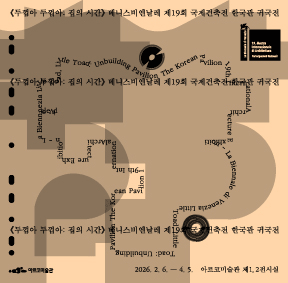 베니스비엔날레 제19회 국제건축전 한국관 귀국전 《두껍아 두껍아: 집의 시간》
- 전시기간
- 2026.02.06~2026.04.05
- 관람료
- 무료
- 오프닝
- 2월 5일(목) 17:00
- 장소
- 아르코미술관 제1, 2전시실
- 작가
- 김현종, 박희찬, 양예나, 이다미
- 부대행사
- 주관
- 아르코미술관
- 주최
- 한국문화예술위원회
- 문의
- 02-760-4617
- 담당부서
- 미술관운영팀 02-760-4617
- 담당자
- 김미정
첨부파일
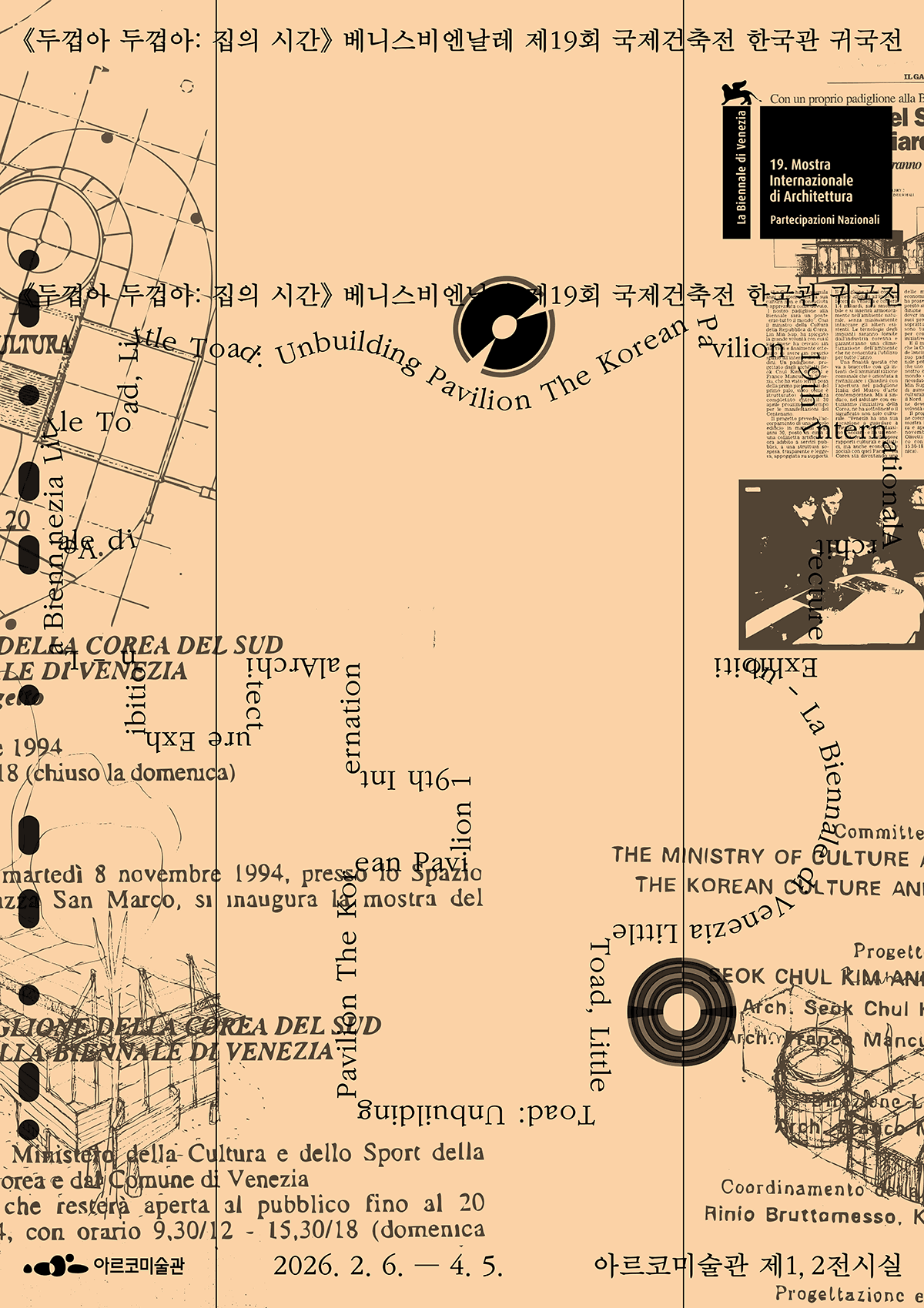
베니스비엔날레 제19회 국제건축전 한국관 귀국전 《두껍아 두껍아: 집의 시간》
▣ 전시개요
- 전시명 : 베니스비엔날레 제19회 국제건축전 한국관 귀국전 《두껍아 두껍아: 집의 시간》
- 참여작가 : 김현종, 박희찬, 양예나, 이다미
- 예술감독 : CAC(Curating Architecture Collective: 정다영, 김희정, 정성규)
- 기간 : 2026.2.6.(금) - 4.5.(일)
- 운영시간 : 화-일요일, 11시-19시/ 수요일, 11시-21시 (매주 월요일 휴관)
- 장소 : 아르코미술관 제1, 2전시실
- 관람료 : 무료
- 주최 : 한국문화예술위원회
▣ 전시소개
두껍아 두껍아 / 헌 집 줄게 새 집 다오 / 두껍아 두껍아 / 물 길어 오너라/ 너희 집 지어 줄게 / 두껍아 두껍아 / 너희 집에 불났다 / 쇠고랑 가지고 뚤레뚤레 오너라
베니스비엔날레 제19회 국제건축전 한국관 전시는 건립 30년을 맞이한 한국관 건축을 탐구한다. 그간 수많은 전시가 거쳐간 파빌리온의 의미를 ‘집’이라는 관점에서 재고찰한다. 이 전시는 한국관의 건립 계기와 과거를 조명하며 한국관의 미래를 탐색해본다. 전시는 파빌리온을 중성적인 전시 장소가 아니라 다층적 의미가 담긴 유기적 생명체로 바라보며 이러한 문제의식을 촉발하는 연구와 시각물로 구성되었다.
한국 전래 동요에서 가져온 ‘두껍아 두껍아’는 이러한 내용을 풀어가는 은유적 틀이다. ‘두껍아 두껍아’는 폴리의 원시 형태인 그로토(Grotto)를 연상시키는 흙놀이를 하면서 부르는 집짓기 노래다. 전시의 숨은 화자인 두꺼비는 변화와 재생을 상징하는 존재로 나무와 땅·하늘·바다와 같은 자르디니 공원의 오래된 공통 유산들을 환기한다.
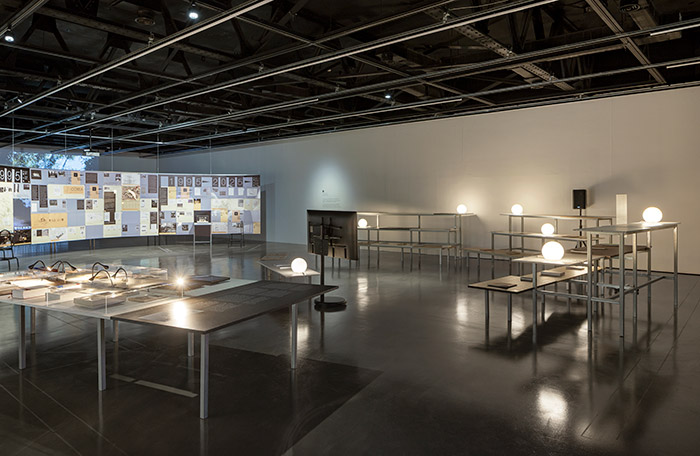
서울 아르코미술관에서 열리는 귀국전은 베니스 현지와 다른 조건 속에서 새롭게 구성되었다. 1층 전시는 한국관 건축 및 전시사 관련 자료와 이를 비평적으로 편집한 작업들로 구성되며, 연계 프로그램이 진행되는 공론장으로 역할한다. 2층 전시는 참여 작가가 한국관이라는 조건을 어떻게 해석하고 탈국가적 관점으로 확장했는지 살펴본다. 베니스에서 선보였던 장소특정적 설치 작업들은 귀국전에서 그 과정과 전략이 드러나는 방식으로 재구성되며, 관객은 다양한 해석과 실천의 경로를 따라 전시를 경험하게 된다.
제1전시실
프롤로그
자료를 펼치고 겹치고 (재)발화하기
귀국전은 베니스 전시를 그대로 재연하기보다, 장소 조건이 달라질 때 작품과 전시 개념이 어떻게 재구성될 수 있는지를 탐구한다. 이 전시는 원본 전시의 재연 불가능성을 인식하고 공간과 제도, 장소성이 예술 실천에 미치는 영향을 드러내는 데 초점을 둔다.
아르코미술관에 놓인 작업들은 베니스 전시에서 설정한 ‘아카이브’와 ‘커미션’ 두 구성을 따르면서도 재가공되었다. 1전시실에서는 한국관 아카이브를 펼치고, 쌓고, 다시 발화하는 과정을 통해 한국관의 과거·현재·미래를 살펴본다. 2전시실에서는 참여 작가들의 커미션 작업을 공간 인식과 매체 선택의 관점에서 다시 읽으며, 한국관의 건축적 가치와 함께 확장하는 의미들을 살펴본다.
레이어링 아카이브
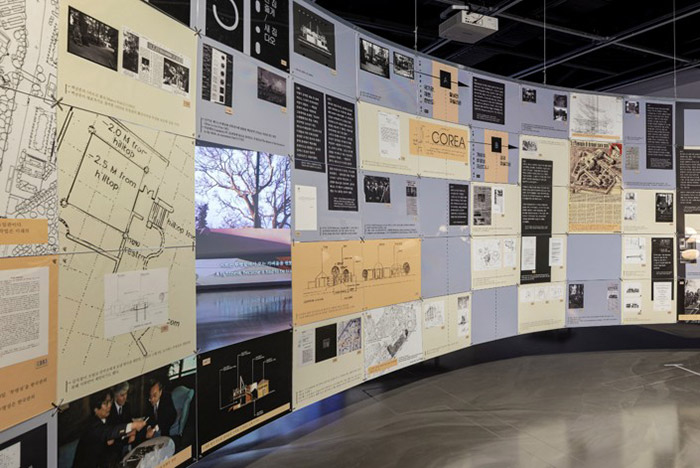
〈레이어링 아카이브〉는 국내외 아카이브 자료를 바탕으로 한국관 건축의 과거와 현재, 미래를 조각처럼 모은 큐레토리얼 리서치다. 전시의 출발점인 한국관 건립 당시의 시대적·사회적 배경과 그에 따른 건축적 맥락을 담았다. 프랑코 만쿠조가 2022년 한국문화예술위원회에 기증한 자료를 비롯해, 베니스비엔날레 역사아카이브와 베니스건축대학 아카이브에는 한국관 설립의 더 넓은 맥락을 짐작하게 하는 자료들이 남아 있다. 전시기획팀은 이 서로 다른 아카이브를 겹쳐읽고 이를 작가들이 새로운 상상을 펼칠 수 있는 재료로 전달했다.
아카이브를 겹쳐 읽는 경험은 역사가 하나의 결론으로 정해져 있지 않으며, 과거·현재·미래가 선형적으로 구분되지 않는다는 감각을 일깨운다. 이런 감각 속에서 한국관은 국가관의 새로운 존재 방식을 상상하기 위한 토대로 마주할 수 있다. 특히 최근 자르디니 안에 새로운 단독 국가관(카타르관)이 첫 메나사(MENASA) 지역 국가관으로 발표되며 30년만에 자르디니의 지정학적 변화가 예고되고 있다. 이 시점에서 〈레이어링 아카이브〉는 ‘마지막 국가관’이라는 그간의 신화를 걷어내고 한국관 건축에 담긴 오래된 미래를 엿보게 한다.
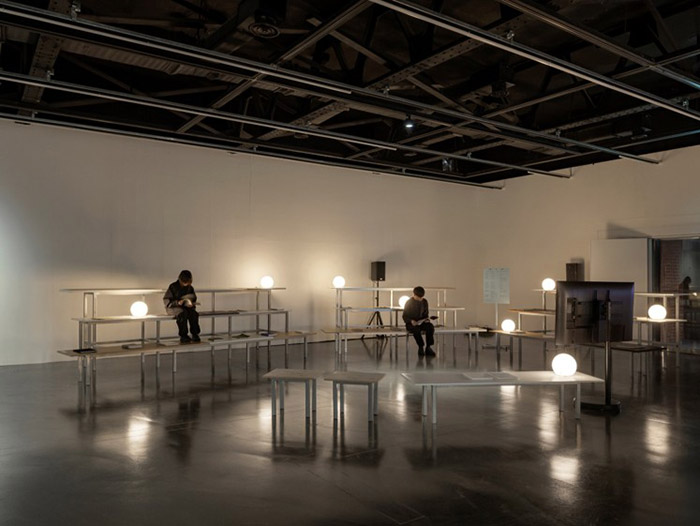
리빙 아카이브
〈리빙 아카이브〉는 베니스비엔날레 한국관의 과거 전시 기록을 열람하는 공간이자, 이러한 실천들이 오늘날 건축과 전시 만들기에 던지는 쟁점을 공론화하는 장소로 구성된다. 두 기능이 결합된 이 공간은 〈언폴딩 아카이브〉와 〈레이어링 아카이브〉의 흐름을 잇는 장치로서 논의와 발화가 진행되는 무대로 기획되었다.
전시 기간 동안 열리는 8회의 포럼은 《두껍아 두껍아: 집의 시간》의 제작 과정과 귀국전의 의미를 되짚으며 이에 응답하는 한국관 건축의 여러 쟁점을 다룬다. 또한 베니스비엔날레 국제건축전의 지속가능성, 한국관 건축과 전시 만들기 사이의 긴장과 갈등을 패널들과 함께 논의하며 전시에 담기지 못한 현장의 목소리를 공유한다.
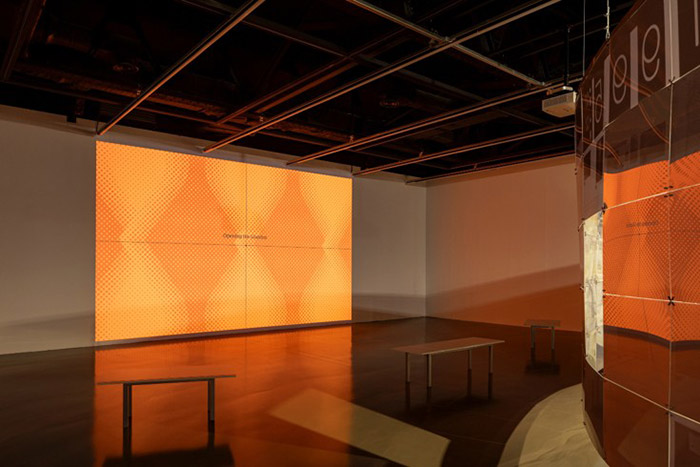
언폴딩 아카이브
〈언폴딩 아카이브〉는 비디오그래퍼 백윤석이 촬영한 푸티지와 여러 기관에서 수집된 자료를 엮어 한국관 건축의 과거·현재·미래를 따라가는 영상 작업이다. 영상의 시선은 우리에게 익숙한 베니스의 도시 풍경에서 시작해 자르디니 공원을지나 한국관으로 수렴한다. 작업은 한국관 건립과 개관, 전시가 만들어지고 철거되는 과정을 거치면서 도시적 상황과 환경적 조건이 어떻게 한국관과 중첩되었는지를 보여주며, 〈레이어링 아카이브〉와 함께 한국관을 이해하기 위한 참조점으로 기능한다. 텍스트·사진·도면·인터뷰가 교차하는 구성은 커미션으로 제작된 네 명의 건축가 작업과도 자연스럽게 연결되어 읽히도록 한다. 귀국전에서 〈언폴딩 아카이브〉는 베니스 전시가 준비되고 설치되고 다시 해석되는 과정까지 포괄하며 아카이브를 고정된 기록이 아닌 끊임없이 펼쳐지는 현재형으로 제시한다.
제2전시실
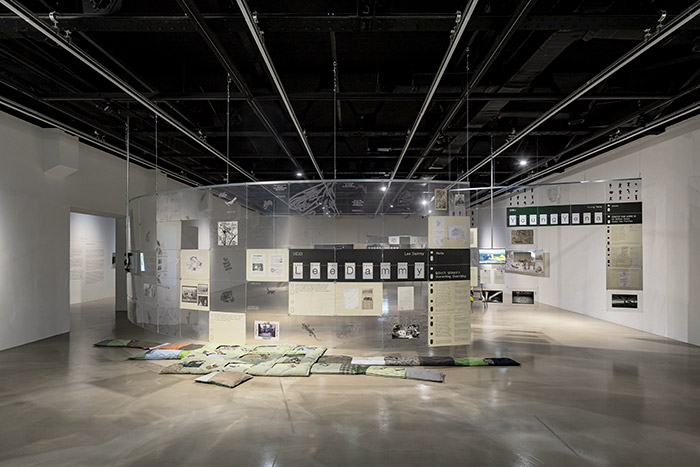
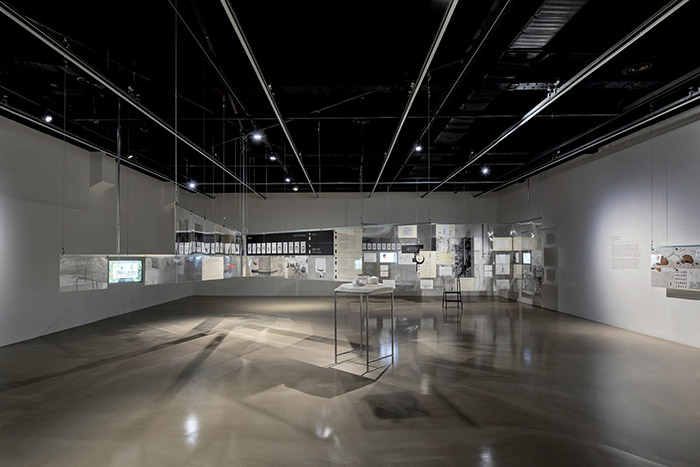
인비트윈
장소를 다시 조직하기
참여 작가 김현종, 박희찬, 양예나, 이다미는 한국관을 조사한 뒤 파빌리온을 각자의 방식으로 해체하고 다시 구성했다. 이들은 과거 베니스비엔날레 한국관이 주로 집중했던 한국 건축의 정체성 문제보다 이곳이 지어질 당시의 계기와 조건이 된 공동의 물리적 기반에 주목한다. 작업은 한국관의 존재와 의미, 타국가관과의 연결 지점들을 드러낸다.
베니스 현지 설치를 그대로 옮겨올 수 없는 한계 속에서 귀국전은 한국관이 다른 건축적·제도적 조건 속에서 어떻게 다시 배열되고 읽힐 수 있는지를 탐색한다. 귀국전에서는 완성된 결과가 아니라 작가들이 한국관의 어떤 특성에 주목했으며 이를 어떤 매체와 설치 전략으로 풀어냈는가에 집중한다. 스케치와 드로잉, 렌더링, 영상, 오브제들은 사고의 경로를 보여주는 도구로 제시된다.
전시장 천장에 걸린 아크릴 구조물은 작업의 사고를 조직하는 틀로 작동한다. 한국관의 스케일과 공간 형상을 느슨하게 참조한 이 설치 구성을 따라가 보면 베니스 현장의 기억을 희미하게 느낄 수 있다. 관객은 이 분절된 공간을 따라 이동하며 장소가 바뀔 때 전시의 서사와 의미가 어떻게 달라지는지도 함께 경험하게 된다.
한국관 건립의 조건
베니스비엔날레 한국관은 세 가지 전제를 갖고 탄생했다. 이 건물은 첫째, 기존 요소(방치된 벽돌건물과 보호수목)를 보존할 것, 둘째, 지면을 훼손하지 않을 것, 셋째, 언제든 철거할 수 있게 지을 것에 대한 건축적 응답으로 지어졌다. 나무 사이로 건물을 끼워 넣듯 구성하여 평면에는 크고 작은 구석과 굴곡이 생겼고, 필로티로 건물을 올려 지형을 보존하여 나무 뿌리의 훼손을 최소화했다. 투명한 외피는 바깥으로는 아드리아해, 안쪽으로는 자르디니 공원을 향해 열려 시선의 연속성을 확보했다. “웨이브 월 트리”, “발코니 트리”, “실린더 홀 트리”와 같은 보존수목은 장애물이 아니라 형태를 규정하는 기준이 되었다. 그 결과로 나온 한국관의 여러 틈과 구석을 비롯한 개방된 공간의 모습은 자율적 조형이라기보다 조건과 환경을 세심하게 받아들인 결과다. 이와 같은 공간 특성은 참여 작가들에게 건축을 전시의 배경이 아니라 해석할 대상으로 제시되었으며, 작가들은 각자의 작업을 나무·땅·바다·역사와의 관계로 확장하였다.
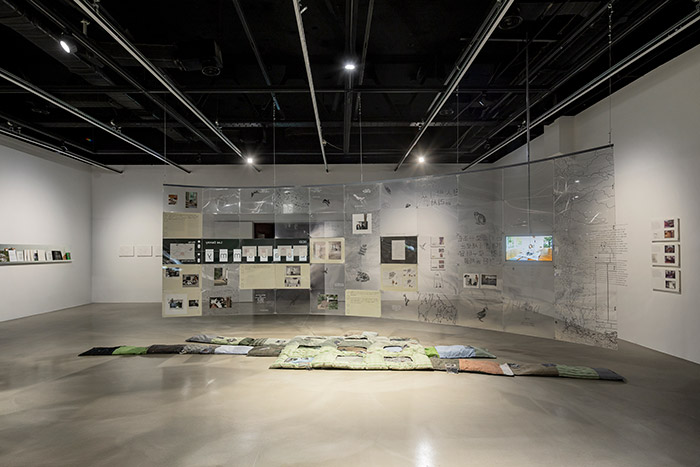
이다미, 〈덮어쓰기, 덮어씌우기〉
〈덮어쓰기, 덮어씌우기〉 는 전시의 시작과 끝을 연결하는 상징적인 작업이다. 이 작업은 그동안 드러나지 않았던 한국관의 숨은 존재들을 화자로 불러내며, 한국관 건축을 다시 바라보게 한다. 작가가 설정한 화자는 한국관을 지키는 ‘나무’와 이곳을 드나드는 고양이 ‘무카’ 등 비인간적 존재들이다. 이를 통해 한국관이 설계자와 작가, 큐레이터뿐 아니라 다양한 존재가 함께 살아온 장소였음을 드러낸다.
귀국전에서 이 작업은 각 화자의 이야기를 개별적으로 제시해 관객이 한국관의 공간을 여러 관점으로 떠올리고 상상하도록 이끈다. 이는 장소가 어떻게 이야기로 만들어지고, 다시 쓰일 수 있는지를 보여준다. 귀국전에서는 이 작업에 등장하는 화자들의 이야기를 텍스트와 이미지중심의 편지, 일기, 꼴라주 작업을 중심으로 선보인다.
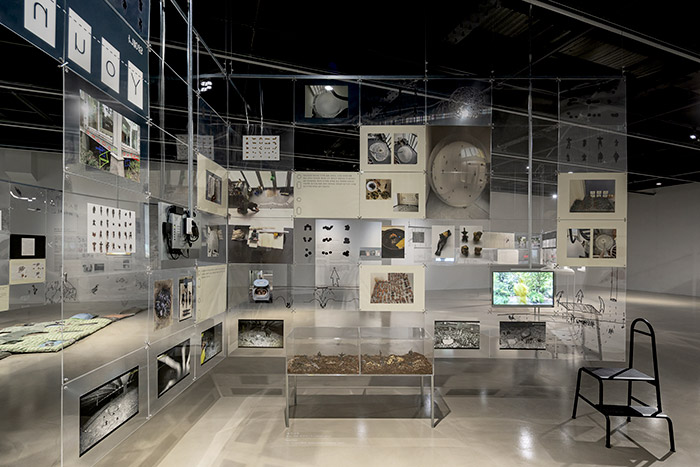
양예나, 〈파빌리온 아래 삼천만 년〉
〈파빌리온 아래 삼천만 년〉은 한국관의 가장 오래된 시간과 공간을 상상하는 작업이다. 생물학자, 문화인류학자, 유전사회학자와의 협업을 바탕으로, 픽션과 과학적 추정을 결합해 국가관과 비엔날레 제도가 생기기 이전의 시간을 호출한다. 베니스에서는 한국관의 벽돌건물 내부와 필로티 아래에 설치되었다.
귀국전에서는 수천만 년에 걸친 픽션과 과학, 신화적 상상을 전시장 안으로 옮겨 다시 배열한다. 중요한 것은 장소의 재현이 아니라, 시간이 이동하며 전시를 가로지르는 감각이다. 관객은 여러 겹의 시간 속에서 건축을 새롭게 바라보게 된다. 귀국전에서는 픽션의 공간적 시간적 배경을 한국관 아카이브와 여타 조작 문서를 통해 드러내며 주요 드로잉과 목업 과정에서 물리적 형태를 구현하고 작동하는 방식을 영상으로 보여준다.
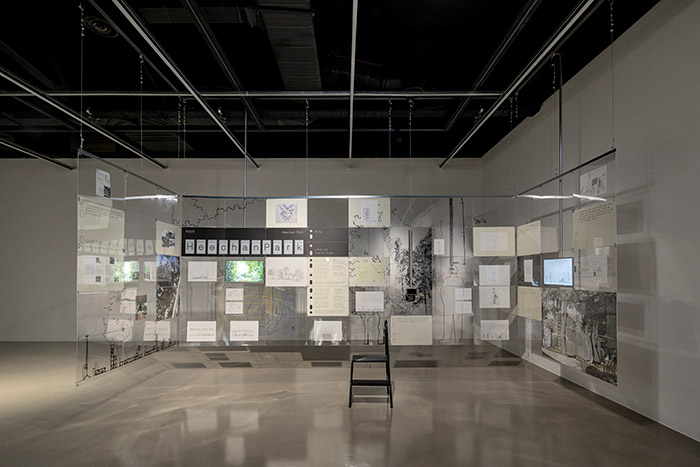
박희찬, 〈나무의 시간〉
〈나무의 시간〉은 한국관의 중요한 설계 조건인 ‘나무’에 반응하는 건축적 장치다. 〈그림자 감지 장치〉, 〈자르디니 건축 여행자〉, 〈엘리베이티드 게이즈 1995〉 등 세 개의 유닛으로 구성된 이 작업은 자르디니의 나무와 숲, 그리고 이를 받아들이는 한국관의 투명한 구조에 주목한다. 베니스에서는 전시장 중앙에 설치되어, 빛과 그림자, 바람과 계절처럼 변화하는 요소들이 전시 경험에 개입하는 방식을 보여주었다. 귀국전에서는 현지에서만 가능한 경험을 복제하기보다, 베니스에서 채집한 감각을 기록과 기억의 층위에서 다시 불러낸다. 귀국전에서는 초기 아이디어를 물리적 구현하는 과정에서 생산된 드로잉을 중심으로 비물질적인 요소를 물질화하는 감각을 보여준다. 더불어 베니스 현지에서 관객이 작품을 경험하는 영상을 통해 이런 작가의 의도가 전달되는 과정을 살펴본다.
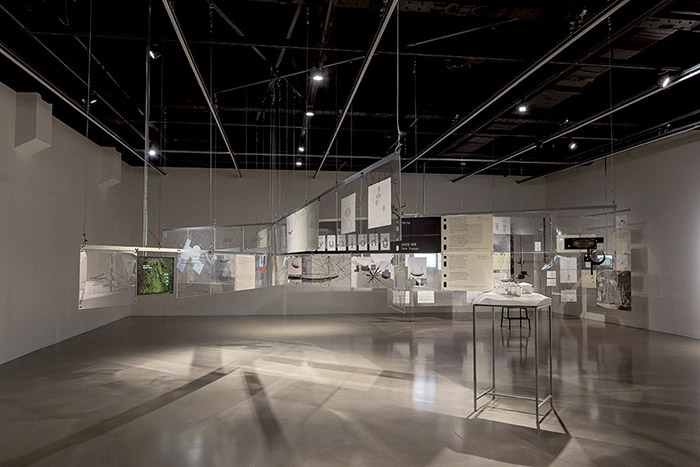
김현종, 〈새로운 항해〉
〈새로운 항해〉는 한국관 옥상이라는 특별한 장소에서 출발한 작업이다. 옥상 접근이 제한적인 다른 국가관과 달리, 이 작업은 옥상을 모두에게 열린 전망대로 제안하며 근미래 국가관 간의 연대가능성을 암시한다. 바다를 향해 돛을 펼친 듯한 한국관 형태에서 착안해, 아드리아해를 바라보는 방향으로 설치되었다.
현장에서는 규약과 안전 문제로 계획이 완전히 실현되지 못했다. 귀국전에서는 이 미완의 상태를 다시 다루며 원래의 개념과 구상을 이미지와 텍스트, 모형으로 제시한다. 이를 통해 전시가 제도와 공간의 규칙 속에서 어떻게 조정되는지를 보여준다. 귀국전에서는 작업의 주요 레퍼런스와 설치 도면, 모형을 중심으로 한국관 옥상을 배경으로 한 작업의 시작 계기와 온전히 구현되지 못한 원안을 설명한다.
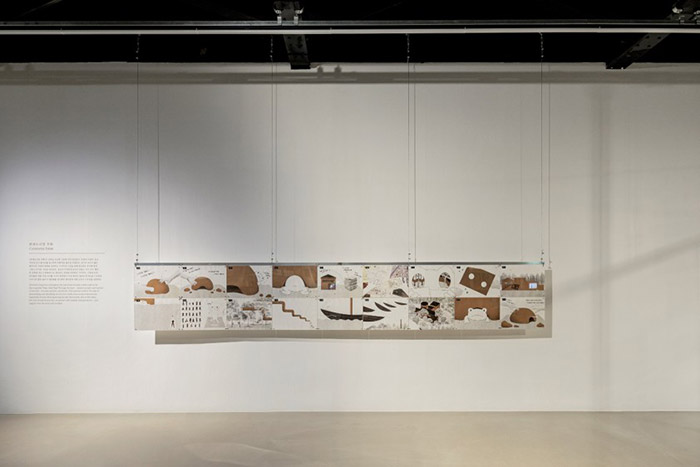
정진호, 〈큐레토리얼 우화〉
〈큐레토리얼 우화〉는 건축을 전공한 그림책 작가 정진호가 ‘두껍아 두껍아’ 동요 가사와 전시 줄거리를 참고하여 우화처럼 풀어낸 작업이다. 전시의 보이지 않는 화자이자 재생과 변화를 상징하는 두꺼비의 시선을 통해 한국관의 과거와 현재, 그리고 이어질 시간을 바라본다. 동요의 두꺼비집 놀이는 허물고 다시 짓는 행위, 즉 건축과 제도가 반복적으로 갱신되는 과정을 비유한다. 두꺼비는 기록과 문서, 작가들의 작업 구상 사이를 오가며 한국관이 여러 해석이 겹쳐진 존재임을 드러낸다. 이야기의 끝은 놀이가 계속됨을 암시하며 한국관에 대한 논의가 이어짐을 상징한다.
사진 : 최용준
에필로그
거주하고 머물기
전시는 한국관을 넘어 자르디니의 다른 파빌리온들이 공유하는 공통의 기반에 주목한다. 참여 작가들의 작업에서 땅은 과거를, 나무는 현재를, 하늘은 미래를 가리키며, 국가관이라는 제도를 새로운 시각으로 바라보게 한다. 이는 여전히 작동하는 비엔날레 국가관 체제 안에서, 동시에 그 바깥을 상상하려는 오늘의 베니스비엔날레의 조건과 맞닿아 있다. 국가관을 새롭게 그리기 위해서는 각자의 역사를 돌아보는 동시에, 모두가 공유하는 조건을 이해하는 일이 필요하다. 최근 베니스비엔날레의 국가관들은 리노베이션을 앞두고 파빌리온의 역사를 기록하고 정리하는 한편, 자국의 틀을 넘어 다른 국가관과 연대하려는 시도들을 이어가고 있다. 《지성·자연·인공·공동》을 주제로 열린 제19회 베니스비엔날레 국제건축전에서 자르디니의 주요 국가관들이 이러한 문제의식을 공유하며 서로 공명했다는 평을 받은 것도 그 연장선에 있다. 한국관의 지난 30년을 돌아보는 일은 곧 미래의 한국관을 다시 쓰는 일로 이어진다. 《두껍아두껍아: 집의 시간》은 한국관 건축에 대한 관심에서 출발해, 파빌리온의 경계를 넘어 자연과 공동의 자원으로 시선을 확장한다. 이러한 접근은 각자의 ‘전시의 집’을 다시 생각하게 만든다. 비엔날레는 지역에서 열리지만, 작품과 작가의 이동, 설치와 해체가 반복되는 초국가적인 장소다. 파빌리온이 일시적인 이벤트 공간을 넘어 지속적으로 머물 수 있는 장소가 되기 위해서는 이러한 재독해의 과정이 필요하다. 이것이 한국관 30주년을 기념하며 두꺼비가 전한 ‘새 집’의 의미다.
▣ 예술감독 소개
CAC는 글과 사물, 공간에 담긴 건축적 형식을 탐구하는 기획집단이다. 정다영, 김희정, 정성규 세 명의 건축 큐레이터가 설립했으며, 다양한 예술 실천의 현장에서 일하는 큐레이터 콜렉티브를 지향한다. 《어셈블리 오브 에어》(팩토리2, 2021), 《집의 대화: 조병수x최욱》(DDP, 2021), 《힐튼서울 자서전》(피크닉, 2025) 등의 전시를 기획했으며, CAC리딩룸을 통해 한국 동시대 시각문화와 관련된 큐레토리얼 활동을 해오고 있다. CAC는 《두껍아 두껍아: 집의 시간》 전시의 주제이기도 한 ‘건축의 삶’을 지속적으로 탐구하며 이와 관련된 작업들을 국내외 작가들과 협업하며 선보일 예정이다.
▣ 참여 작가 소개
김현종은 프랑스 파리 École Spéciale d’Architecture(ESA)와 동 대학원에서 건축을 전공한 후 서울에서 아뜰리에케이에이치제이를 운영한다. 건축부터 인테리어, 가구와 오브제까지 규모와 장르를 구분하지 않는 태도를 견지하며, 오브제 하나를 다루더라도 도시와 사회문화적 관점에서 새로운 제안이 되기를 꿈꾸며 작업한다.
박희찬은 서울과 런던에서 건축을 공부했으며, 영국왕립건축사(RIBA)로 2018년 서울에서 스튜디오히치를 설립했다. 건축, 산업디자인, 패브리케이션, 디지털 인터랙션, 전시 분야에서 프로젝트를 진행하고 있다. 재료와 구축 방식에 대한 관심과 실험을 통해 물질과 환경이 새로운 방식으로 관계 맺는 건축을 탐구하고 있다.
양예나는 플라스티크판타스티크의 공동 감독이다. 플라스티크판타스티크는 현실의 개념과 감각의 한계에 도전하는 몰입형 공간 설치 작품을 창작하는 마르코 카네바치와의 아트 듀오다. 연세대학교에서 건축학 학사 학위를, 핀란드 알토 대학교에서 공간 디자인 석사 학위를 취득했다. 설치 작업을 통해 공간과 이야기의 관계를 재탐색하며, 익숙한 환경을 탐험을 위한 무대로 변화시키고 있다.
이다미는 서울대학교와 하버드GSD에서 건축을 전공하고 건축사사무소 플로라앤파우나 대표로있다. 식물·동물·사물·건물을 통해 공간과 관계의 생기를 작동시키는 물질의 존재 방식과 건축이미지의 가능성을 사변한다. 이를 통해 산업화 제도화된 건축의 풍경을 새로운 자연과 젠더, 장식의 측면에서 재고한다.
The Korean Pavilion, The 19th International Architecture Exhibition - La Biennale di Venezia Little Toad, Little Toad: Unbuilding Pavilion
▣ Overview
- Title : The Korean Pavilion, The 19th International Architecture Exhibition - La Biennale di Venezia Little Toad, Little Toad: Unbuilding Pavilion
- Artist : Kim Hyunjong, Heechan Park, Young Yena, Lee Dammy
- Artistic Directors : CAC(Curating Architecture Collective: Chung Dahyoung, Kim Heejung, Jung Sungkyu)
- Period : 2026.2.6.(Fri) - 4.5.(Sun)
- Opening Hours : 11:00 AM—7:00 PM / Closed on Mondays, Lunar New Year’s Day
- Venue : ARKO Art Center Gallery 1, 2
- Admission : Free
- Partner : IKEA Korea
- Host : Arts Council Korea
▣ Introduction
Little toad, little toad / I will give you an old house /In return for a new house
Little toad, little toad / Go fetch some water / I will build your house
Little toad, little toad / Your house is on fire / Wend your way here with a pitchfork
The Korean Pavilion at the 19th International Architecture Exhibition of La Biennale di Venezia marks the thirtieth anniversary of the pavilion’s construction, revisiting its history through the lens of “home.” Rather than treating the pavilion as a neutral exhibition venue, this exhibition considers it an organic entity layered with multiple meanings, tracing its origins while exploring possible futures. Through research and visual materials, the exhibition reconsiders the pavilion as a living structure that continues to evolve.
The traditional Korean children’s song “Little Toad, Little Toad (Dukkeoba, Dukkeoba)” serves as the exhibition’s metaphorical framework. Sung while shaping the earth in play, it recalls the primordial form of the grotto, an archetype predating architectural typologies. The toad, a hidden narrator throughout the exhibition, symbolizes change and regeneration, recalling the shared heritage of the Giardini — its trees, soil, sky, and sea. The lyrics’ contrast between “old house” and “new house” evokes the temporal threshold of the pavilion at its thirtieth year, while the fire threatening the house calls attention to crisis — prompting reflection on the Venice Biennale itself within global urgencies such as climate change. To illuminate the history and position of the Korean Pavilion is, therefore, to examine the cultural and political dimensions of the national pavilion system — and to imagine its future forms of renewal.
The homecoming exhibition at ARKO Art Center in Seoul is newly composed for a different context from Venice. The gallery 1 present archival materials and critical reinterpretations of the pavilion’s architectural and curatorial histories, functioning simultaneously as a space for discussion and public programs. The gallery 2 examines how participating artists interpreted the conditions of the pavilion and expanded them beyond national frameworks. Site-specific installations conceived in Venice are reconfigured to reveal their conceptual processes and strategies, inviting audiences to experience the exhibition through multiple interpretive pathways.
▣ Exhibition view
Gallery 1
Gallery 2
Lee Dammy — Overwriting, Overriding
Overwriting, Overriding summons hidden presences of the pavilion - including trees and the cat Mucca - as narrators, prompting viewers to see the architecture anew. Through these non- human perspectives, the pavilion emerges as a place shared not only by architects, curators, and artists, but by many others. In the homecoming exhibition, each narrator's story is presented individually, encouraging audiences to imagine the pavilion through multiple perspectives and revealing how places are continually rewritten.
[Work Information]
-A
Embroidery on sewn nylon mesh fabric, stainless steel wire and weights, dimensions variable, 2024
-B
Perforations on nylon mesh printed with images; fabric images and letter ragments connected with buttons, dimensions variable, 2024
-C
Comforter and pillows filled with cotton, buttons and embroidery on covers made from various fabrics, collected items like twigs and fallen leaves, dimensions variable, 2024
-D
Furniture made from stainless steel rods, objects such as cups, napkins, stones and wood chips, dimensions variable, 2024
*In 2026 at ARKO Art Center, the work will be presented through letters, diaries, and collages centered on text and image, expanding the voices of its narrators.
Young Yena — 30 Million Years Under the Pavilion
30 Million Years Under the Pavilion imagines the deepest temporal layers beneath the pavilion. Developed through collaboration with a biologist, cultural anthropologist, and genetic sociologist, it combines fiction and scientific speculation to evoke time before the national pavilion and Biennale system existed. Initially installed beneath the piloti and inside the brick building, the work now relocates into the gallery, rearranging its temporal fabric.
Rather than recreating a site, it evokes sensations of time passing through the exhibition, prompting viewers to see architecture within overlapping temporalities.
[Work Information]
-Bubble
Polyurethane,
360 × 400cm, 2024
-Figurines
Clay, 5 × 9 × 18cm (apx. 400pcs), Dimensions Variable, 2024
*In 2026 at ARKO Art Center, archival materials, fabricated documents, drawings, and mock-ups reveal the fictional time-space, alongside videos showing how imagined forms are constructed and animated.
Kim Hyunjong — New Voyage
Beginning from the Korean Pavilion rooftop - a rare accessible rooftop among national pavilions - New Voyage proposes the space as an open observatory, hinting at future solidarities among pavilions.
Inspired by the sail-like form of the pavilion, the piece faces the Adriatic Sea.
Though regulations prevented full realization, the homecoming exhibition revisits this unfinished state through images, models, and texts, tracing how ideas adapt within institutional frameworks.
[Work Information]
Stainless steel and fabric, 980 × 440 × 190cm, 2024
*In 2026 at ARKO Art Center, references, drawings, and models will outline the projects original intentions and unrealized possibilities.
Heechan Park — Time for Trees
Responding to the pavilion's condition of preserving trees, this architectural apparatus, Time for Trees, consists of three units: Shadow Caster, Giardini Travellers, and Elevated Gaze 1995.
Focusing on the trees and forests of the Giardini and the pavilion's transparency, the work originally invited light, wind, and seasonal change into the exhibition experience. In the homecoming exhibition, instead of reproducing what was possible only on site, the work recalls sensory memories through layers of documentation and reflection.
[Work Information]
-A Shadow Caster
Timber frames (Acoya wood), white natural fabric, 15.8mm stainless steel rod, 360 × 130cm, 2024
-Giardini Travellers
Glulam frames made from
Korean larch, polycarbonate panels, industrial wheels, 440 X 50 × 63cm, 147 × 97 X
63cm, 242 × 97 × 63cm, 2024
-Elevated Gaze 1995
Stainless steel pipes, wood finishes, 3D printed frames, 360 degree camera, stereo speakers, 270 × 45 × 43cm, 2024
*In 2026 at ARKO Art Center, a selection of drawings produced during the artist's working process will be presented, revealing moments in which conceptual and immaterial elements are translated into material form. The exhibition will also examine how these intentions are communicated through videos documenting audiences experiencing the work on site in Venice.
Little Toad, Little Toad: Unbuilding Pavilion, ARKO Art Center, Seoul, 2026.
Photo: Yongjoon Choi
▣ Artistic Directors Introduction
Curating Architecture Collective (CAC) is a curatorial group dedicated to exploring the intersections of architecture, text, objects, and space. Founded by Chung Dahyoung, Kim Heejung, and Jung Sungkyu, CAC operates as a collaborative curatorial platform engaging in diverse artistic and architectural practices. The collective has organized significant exhibitions, including Assembly of Air (Factory2, 2021) and Homely Talk: Cho Byoung-soo × Choi Wook (DDP, 2021), which examine the evolving narratives of architecture in contemporary discourse.
Through the CAC Reading Room, the collective fosters critical dialogue by hosting forums, workshops, and research-driven projects in collaboration with leading Korean and international architects, designers, and artists. Continuing its investigation into the “life of architecture,” a central theme of Little Toad, Little Toad: Unbuilding Pavilion, CAC is committed to expanding its curatorial vision through interdisciplinary projects that challenge conventional perceptions of built environments.
▣ Artist Biographies
Kim Hyunjong completed his bachelor’s and master’s degrees in architecture at École Spéciale d’Architecture (ESA) in Paris, France, and founded ATELIER KHJ in Seoul in 2018. He explores cultural values across various fields, including urban culture, architecture, interior design, furniture, and art, breaking boundaries while engaging in continuous research and reinterpretation based on deep interest in materials and substances.
Heechan Park studied architecture in Seoul and London. He was a recipient of the Bartlett Travel Scholarship to study the works of Alvar Aalto in Finland in 2010, and was invited to exhibit his work at the Royal Academy in London in 2014. Park founded Studio Heech in 2018 and is carrying out projects in the fields of architecture, industrial design, fabrication, and digital interaction.
Young Yena is a co-director of Plastique Fantastique, together with Marco Canevacci — an art duo that creates immersive spatial installations, challenging the notion of reality and pushing the boundaries of our senses. She holds a bachelor's degree in architecture from Yonsei University and a master's degree in spatial design from Aalto University.
Lee Dammy is an architect and designer, and the principal of the architectural firm Flora and Fauna. She studied architecture at Seoul National University and Harvard Graduate School of Design. Lee speculates on how the presence of matter animates the vitality of space and relationships through the interplay of plants, animals, objects, and buildings, while exploring the possibilities of architectural imagery.